Introduction
Many people dream of escaping the hustle and bustle of city life and embracing the serenity of the wilderness. But venturing into the great outdoors isn't as simple as packing a bag and setting off. In this guide, we'll delve into the essentials of wilderness camping, meal planning, and water sourcing, ensuring you're well-prepared for your next camping adventure.
Why This Topic is Important?
Preparing for a camping trip is about more than just picking a spot on the map. It's about understanding how to survive and thrive in the wild. Proper planning ensures you have the right equipment, nourishment, and water supply to safely enjoy your wilderness adventure. This blog will benefit both novice and experienced campers seeking practical advice and actionable tips.
Wilderness Camping Essentials
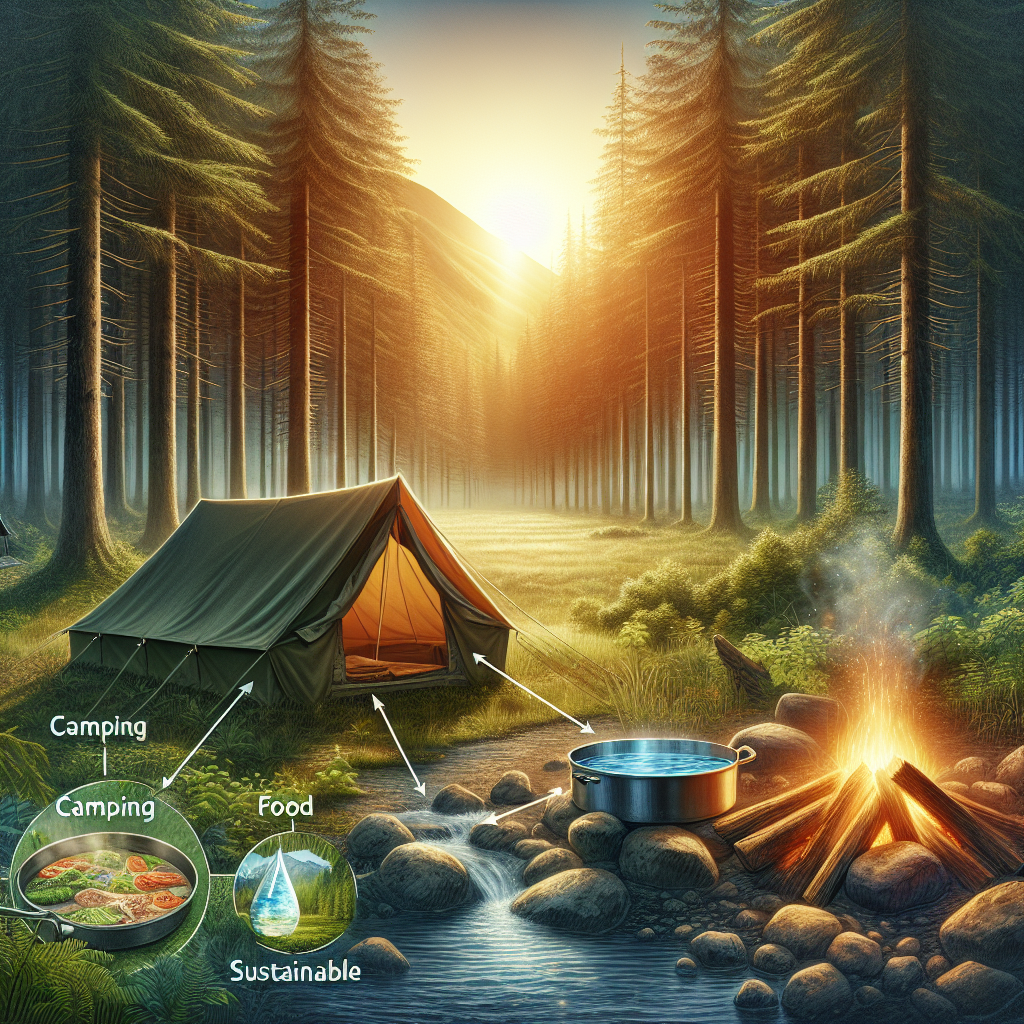
When it comes to camping in the wilderness, your comfort and safety lie in the gear you carry with you. Here are some products you should consider:
Tents
- MSR Hubba Hubba NX 2-Person Lightweight Backpacking Tent - It's lightweight, durable, and easy to set up, making it perfect for backpacking trips.
- Coleman Sundome Tent - This tent offers great value for money and is ideal for car camping or short trips.
Backpacks
- Osprey Atmos AG 65 - Known for its comfort, this backpack comes with ample storage space and an anti-gravity suspension system.
- Deuter Aircontact Lite - A lighter option, it's well-suited for shorter trips or hikers who pack light.
Meal Planning and Water Sourcing
Food and water are vital for survival. Here are some tips for meal planning and water sourcing in the wilderness:
Food
- Plan your meals: Map out what you’ll eat each day. Opt for lightweight and non-perishable foods like dried fruits, nuts, and energy bars.
- Consider freeze-dried meals: Brands like Mountain House and Backpacker's Pantry provide tasty, easy-to-cook options.
Water
- Carry a water purifier: Products like the LifeStraw Personal Water Filter or Sawyer Mini Water Filtration System can be lifesavers when accessing clean water is a challenge.
- Know your sources: Research the area you’ll be hiking in advance to identify potential water sources.
Real-World Examples
Consider the story of a group of hikers who embarked on a multi-day trek in the Sierra Nevada mountain range. Their careful planning and investment in quality camping gear, meal plans, and water purification devices ensured they had a safe and enjoyable trip, even when they found themselves in a remote area with no access to clean water.
Common Mistakes to Avoid
A common mistake is underestimating the importance of meal planning and water sourcing. Some campers assume they'll find ample food and water in the wild, but this isn't always the case. Always carry enough food and a reliable water purification system to ensure your survival in the wilderness.
Conclusion
Wilderness camping can be a rewarding experience, but it requires careful planning and preparation. Investing in quality gear, planning your meals, and ensuring a reliable water source are key to a successful adventure. So, start planning your trip, invest in the right gear, and get ready to embrace the wilderness.